
Carter Home and Commercial Services provides commercial and industrial roofing in Belton, TX, and throughout Central Texas. Our team understands flat roofing systems and drainage. We use durable materials and proper installation to fix roofing issues.
Commercial buildings in Belton are exposed to strong sun, heavy rain, and seasonal storms year after year. Flat and low-slope roofs near downtown Belton, along I-35, and in local industrial areas often experience heat buildup and drainage issues.
Standing water is one of the most common problems we see on commercial roofs in this area. Over time, it breaks down roofing materials and leads to leaks. Water can move through the roof system and into walls or ceilings long before damage becomes visible inside the building. Aging materials and poor past repairs usually make these issues worse.
We install commercial roofing systems that perform well in Central Texas conditions. Our team works with TPO roofing, modified bitumen, and metal roofing systems for commercial and industrial properties. Each system is selected based on the building structure, roof slope, and drainage needs.
We focus on proper installation and water flow so the roof protects your building, equipment, and operations for the long term.
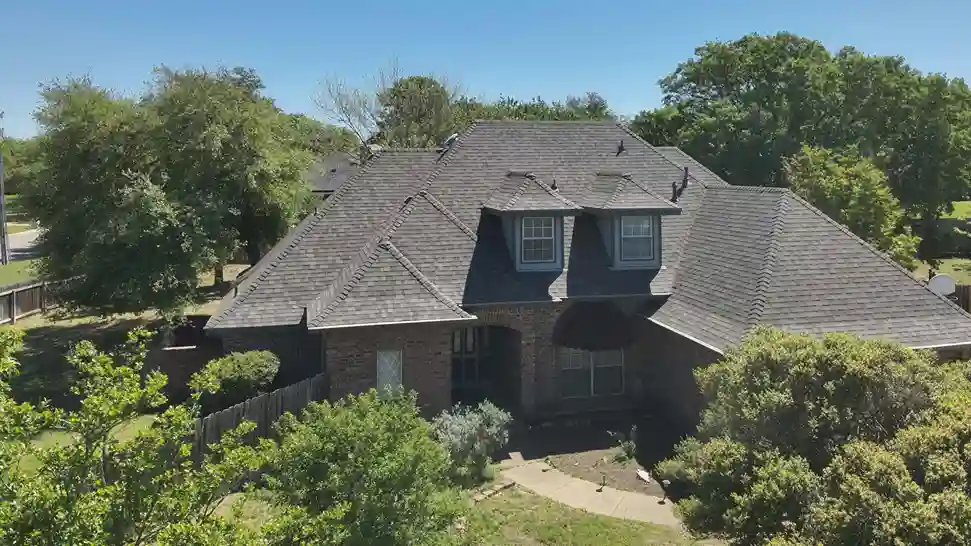
Commercial roofs work very differently from residential roofs. Flat and low-slope roofing systems must control water, handle heat, and support equipment placed on the roof. When one part of the system fails, water can spread quickly and damage larger areas. We identify the source of the issue and correct it before it turns into a bigger problem.
Flat roofs must move water off the surface without delay. When drains clog or the roof does not slope correctly, water stays on the roof. This standing water puts constant pressure on seams, membranes, and flashing. Most leaks start around seams, drains, vents, and roof edges.
We clear blocked drainage areas, repair damaged sections, and restore proper water flow to protect the entire roofing system.
Storms and hail can damage commercial roofs even when there are no visible signs from the ground. Impact can weaken the roofing membrane, seams, and flashing without creating holes right away. Over time, this damage leads to leaks and shortens the life of the roof.
We inspect the roof carefully after storms, identify damaged areas, and document the condition so repairs are done correctly.
Commercial roofs often have equipment on top, like air conditioning units, vents, and exhaust systems. Technicians need to access this equipment for service and maintenance. Over time, this repeated movement across the roof can damage the roofing surface.
Seams can slowly pull apart, and adhesives can weaken as the roof ages. Even small openings can allow water inside during light rain. Moisture often spreads beneath the roofing surface before it shows up inside the building.
We repair punctures, reseal seams, and reinforce weak areas so the roof regains its ability to block water and protect the building.
As commercial roofs get older, materials begin to break down. Membranes can crack, blister, or shrink. Seams may loosen, and insulation can become exposed or saturated. These conditions reduce the roof’s ability to keep water out and often point to deeper system wear.
We evaluate the roof’s condition and explain whether repair, restoration, or replacement is the best option for long-term performance and cost control.
TPO roofing is widely used on commercial and industrial buildings in Belton, TX. It reflects heat, resists sun damage, and performs well in hot weather. When installed correctly, it helps control roof temperature and improve energy efficiency.
We install and replace TPO roofing systems with proper insulation, sealed seams, and secure edge details to create a strong, watertight roof.
Every commercial building requires a roofing system that fits its structure and daily use. The right system controls water, handles heat, and supports equipment on the roof. Choosing the correct roofing system reduces leak risk, limits ongoing maintenance, and helps the roof last longer.

TPO and PVC single-ply roofing systems provide a lightweight and reliable option for many commercial buildings. These systems use heat-welded seams that create a solid barrier against water. The membranes resist sun exposure and perform well in hot weather.
Single-ply roofing works well for warehouses, retail buildings, office spaces, and large open structures. Proper installation improves energy efficiency and helps reduce cooling costs.
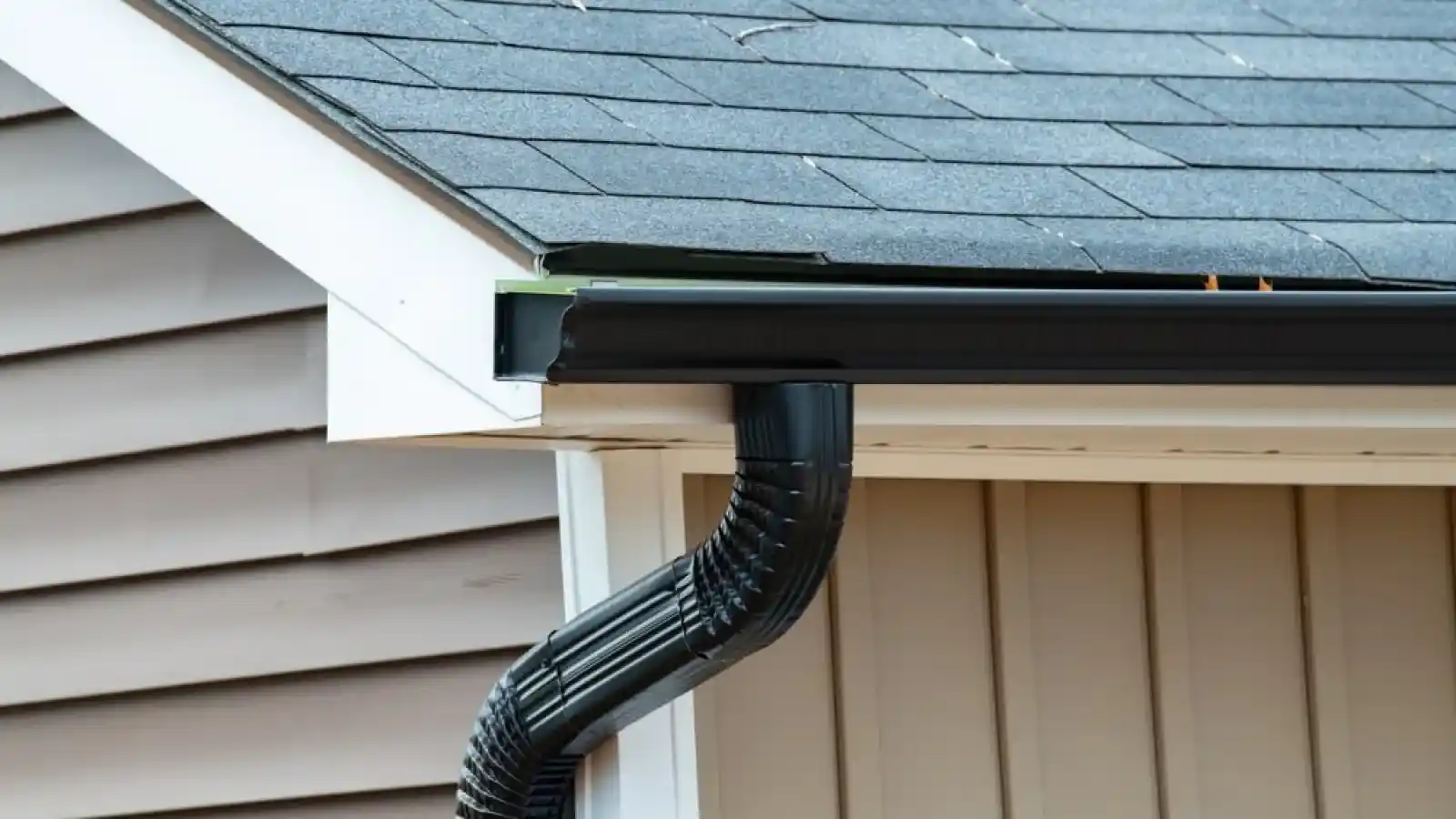
Modified bitumen and built-up roofing systems use multiple layers to create a strong and durable roof surface. These layers help protect the roof from wear caused by regular access, equipment servicing, and temperature changes. These systems work well on industrial buildings that require added strength and long-term durability.
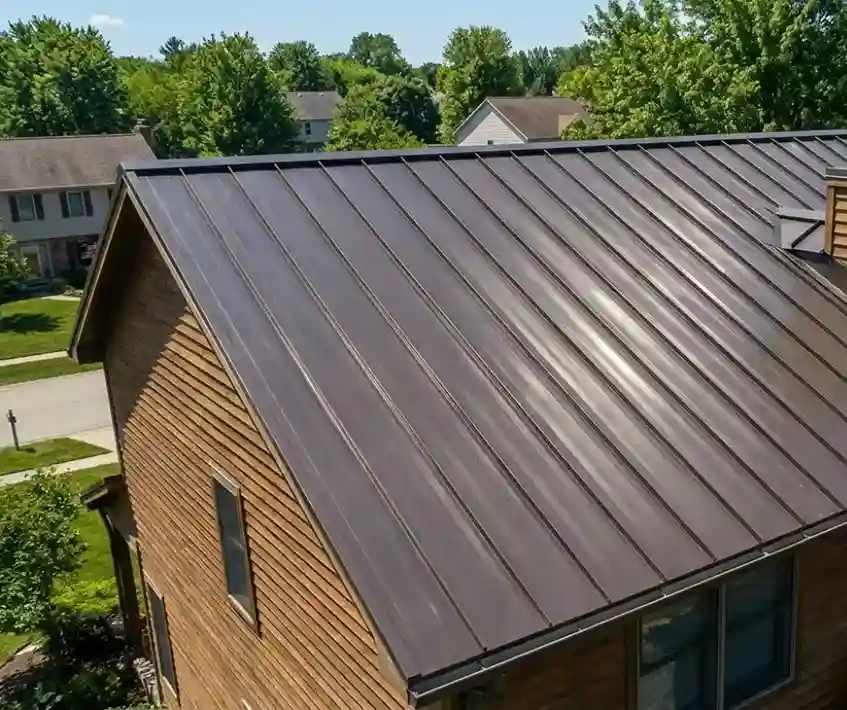
Metal roofing systems offer long service life and dependable performance. Standing seam panels allow the roof to expand and contract as temperatures change, which helps prevent stress and leaks. Metal roofs resist wind and harsh weather conditions and work well for large commercial and industrial buildings that need a low-maintenance roofing solution.
A clear process keeps commercial roofing work organized and predictable. We communicate clearly at every stage so you always know what is happening and what comes next.
Commercial roofing work affects more than the roof itself. It can impact people, equipment, and daily business activity. We plan each project carefully to protect your property and keep operations running smoothly.
Before work begins, we protect rooftop equipment, interior areas, and access points. This includes HVAC units, vents, skylights, drains, and entryways. We plan material placement, access routes, and staging areas in advance and use proper coverings and barriers to prevent damage during the project.
We follow OSHA guidelines and established safety practices on every commercial job site. Our crew works within controlled areas, clearly marks active work zones, and maintains safe walk paths. Clear signage and communication help keep employees, tenants, and visitors safe while work is underway.
We keep the job site organized to reduce risk and avoid unnecessary disruption. Walkways, entrances, and common areas stay clear, and debris is removed regularly. Tools and materials are secured at the end of each workday so your property remains clean, safe, and functional throughout the project.
We specialize in commercial and industrial roofing systems and work on active business properties every day. Our team inspects roofs carefully, explains findings clearly, and installs systems the right way on every project. Business owners choose us because we communicate clearly and focus on long-term roof performance.

We install TPO, PVC, modified bitumen, built-up roofing and metal roofing systems. These systems work well for flat and low-slope commercial and industrial roofs. We recommend the best option based on roof condition, building use, and budget.
Most industrial roofs should be inspected twice a year. Spring and fall inspections help catch drainage problems, seam wear and membrane damage early. Roofs with heavy foot traffic or older materials may need more frequent inspections.
Most commercial roof replacements take anywhere from a few days to a few weeks. The timeline depends on roof size, system type, weather, and site access. We plan the work to limit disruption to daily operations.
Yes, but only when the existing roof is dry, structurally sound, and allowed by local building codes. The roof must not show any active leaks, water-damaged insulation, or saturated roof layers. We inspect the roof, confirm code requirements, and then decide whether an overlay works or a full tear-off is required.